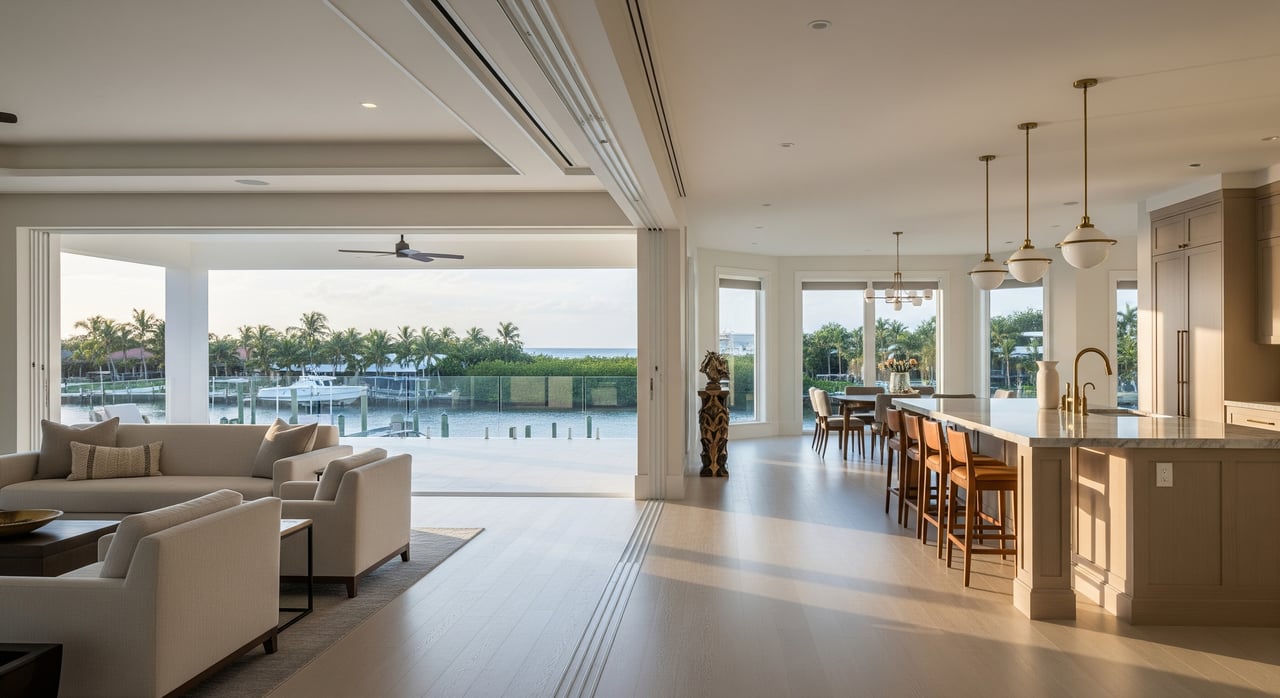
Thinking about a condo at Fiddlers Green but not sure what to look for beyond the listing photos? You are not alone. Snowbirds and value‑oriented buyers often want a low‑maintenance place near the Gulf Coast that still checks the boxes for lifestyle, budget, and peace of mind. In this guide, you will learn what to expect on a private tour, which documents to review, and how to build a smart purchase plan tailored to your goals. Let’s dive in.
Why Fiddlers Green appeals
Fiddlers Green sits in Manatee County, within reach of Gulf Coast beaches around the Bradenton and Anna Maria Island area, the Sarasota metro to the south, and the I‑75 corridor for easy regional access. Many buyers here are seasonal residents, retirees, and anyone seeking lock‑and‑leave convenience with a Florida lifestyle.
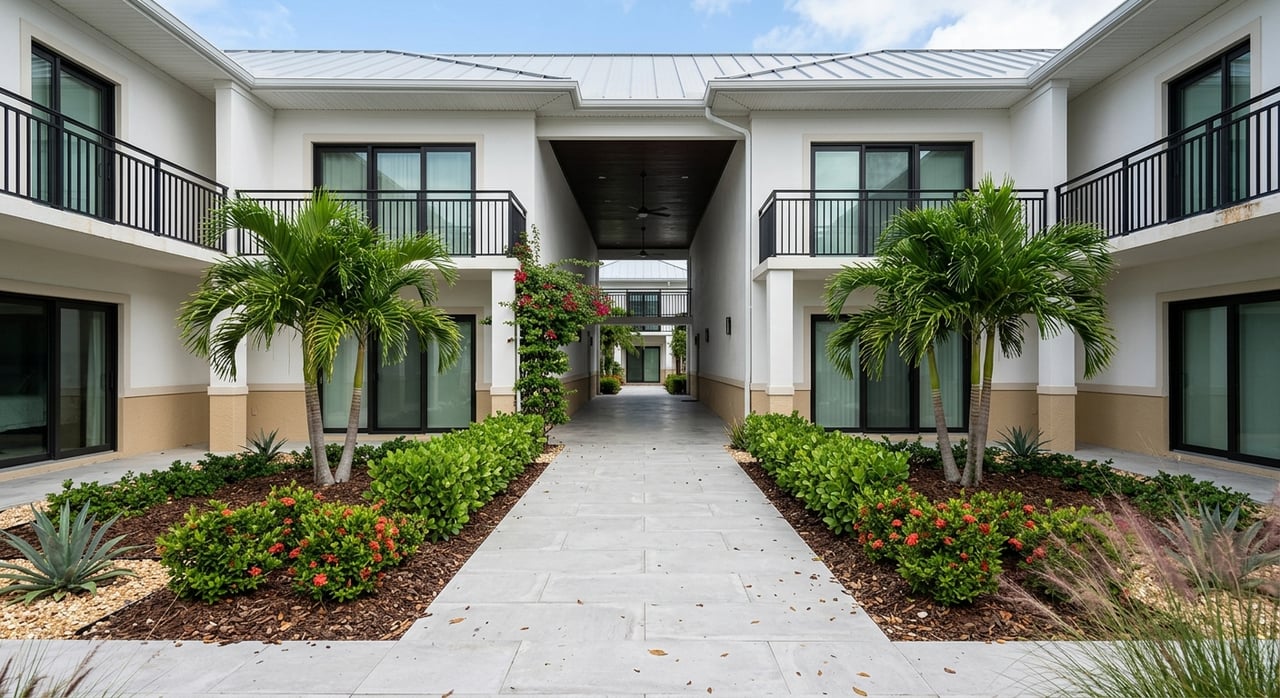
Condo communities can vary by building type, unit mix, and amenities. Some buildings are low‑rise, others mid‑rise. Floor plans often range from 1 to 3 bedrooms. Some communities offer on‑site management, while others are self‑managed. Because details change, you should confirm specifics for each Fiddlers Green building and unit through the local MLS, the association, or county records before you rely on them.
Market conditions for condos can also differ from single‑family homes. Inventory, days on market, and pricing can shift quickly. If you want current listings and comps for Fiddlers Green, ask for a custom review from a local agent who works in Stellar MLS so you can see what is active, pending, and recently sold.
What to expect on a private tour
A private tour helps you go beyond the basics and see how a building and a unit actually live. You will get a clear look at amenities, floor plan fit, and the condition items that matter most in coastal Florida.
Amenities to review
Every association is different, so verify features and access policies during your tour:
- Pool, spa, clubhouse, fitness room, and common spaces
- Elevators, security features, gates, and entry systems
- Assigned parking or carports, guest parking, and any garage options
- Laundry setup, either in‑unit or common facilities
- Pet rules and any size or breed limits
- Boat, RV, or bike storage if available
- On‑site management services, maintenance response, and landscaping standards
Ask if any amenities are under renovation and how access works for owners and guests.
Floor plans and finishes to watch
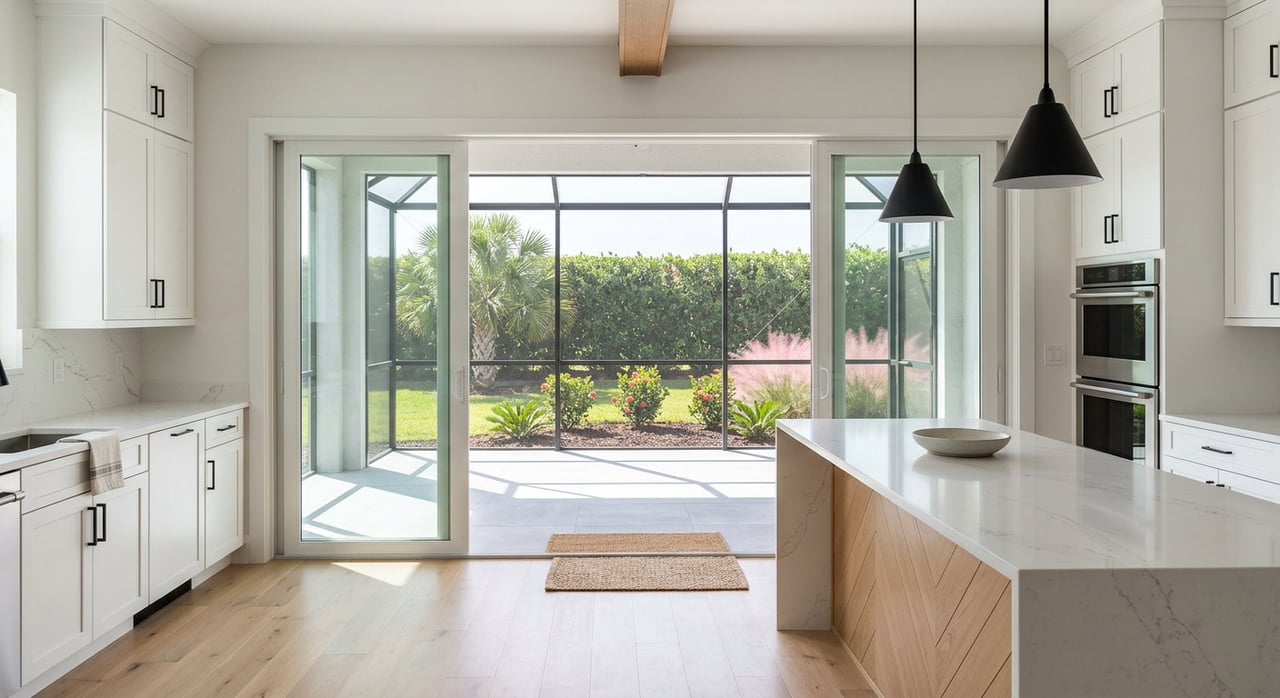
Typical Florida condo layouts often include 1 bedroom and 1 bath, 2 bedrooms and 2 baths, and sometimes 3 bedrooms or a den. Confirm whether the square footage listed is the living area or total under roof. During your tour, look closely at:
- Flooring, walls, and ceilings for stains, soft spots, or odors
- Window and door age, and whether there is impact glass or storm shutters
- Kitchen and bath updates, appliance ages, and what conveys with the sale
- HVAC and water heater ages and service history
Lifestyle details for snowbirds
If you plan to use the condo seasonally, consider:
- Turnkey options and whether furnishings are included
- Seasonal rental ability and any minimum lease terms
- Ease of opening and closing the condo for the season
- Local service providers for seasonal checks and maintenance
- Storage options for bikes, beach gear, or a vehicle
Condo documents you must check
Florida condominium purchases come with an important set of documents and disclosures. The state’s Condominium Act is found in Florida Statutes Chapter 718. Since statewide reforms after the Surfside collapse, buyers should confirm that associations are following current safety, reserve, and inspection requirements. Always request key documents early and consult a Florida‑licensed real estate attorney if you need help interpreting them.
Governing documents
- Declaration of Condominium, Bylaws, Articles of Incorporation, and Rules and Regulations
- Clarify use restrictions, pet rules, voting rights, and common element responsibilities
Financials and reserves
- Current operating budget and the most recent financial statements
- Reserve study and account balances, plus any scheduled fee increases
- Low reserves or reserve shortfalls can signal higher risk of special assessments
Assessments and payment history
- Estoppel letter or payoff demand when you are under contract
- Shows any outstanding assessments, fines, and transfer fees
Minutes and litigation
- Review 12 to 24 months of board minutes for maintenance issues and capital projects
- Ask about any ongoing or threatened litigation that could affect fees or timeline
Insurance
- Association’s certificate of insurance and master policy type
- Deductibles for wind or hurricane claims and what the owner’s HO‑6 policy must cover
Structural and inspection reports
- Engineering or reserve‑study reports and component inspections for roofs, balconies, or structural items
- Confirm whether required inspections have been completed and the results
Rental and use rules
- Minimum lease terms, owner‑occupancy requirements, and registration procedures
- Short‑term rental limits that affect income plans for investors or seasonal owners
Housekeeping items
- Parking assignments, storage lockers, and measurement confirmation
- Any approved special assessments not yet levied
- Move‑in and move‑out rules and fees, plus elevator reservations if applicable
Your tour and inspection checklist
A focused tour saves time and reduces surprises. Use this checklist to organize your walk‑through.
Before your tour
- Ask for the HOA rules summary, recent inspection notes, and the MLS fact sheet
- Clarify your priorities: turnkey, rental potential, or lowest maintenance
- Bring a notepad for questions and a phone for photos and videos
Inside the unit
- HVAC: age, last service date, and condition
- Plumbing: water pressure, water heater age, and visible leaks
- Electrical: panel condition and GFCI/AFCI where required
- Windows/doors/sliders: operation, screens, and storm protection
- Balcony or lanai: flooring, railings, and visible cracks or water stains
- Storage: closet capacity and laundry setup
Building and common areas
- Parking assignments, guest parking availability, and lighting
- Elevator operation and any recent repair notices
- Roof and exterior condition, and evidence of recent work
- Pool, spa, and clubhouse cleanliness and posted rules
- Security and access control systems
- Trash and recycling procedures and bulk pickup policies
Questions to ask onsite
- What utilities are included, and what are typical monthly costs?
- How often have fees increased, and are any assessments planned?
- What is the process for maintenance requests, and typical response times?
- How do rentals work, and what are the peak occupancy rules?
- What capital projects are planned, and how will they be funded?
After the tour
- Order a general home inspection and, if possible, a building‑component review
- Consider a wind‑mitigation inspection for potential insurance credits
- Check the FEMA flood zone and talk to your lender about insurance requirements
Financing, insurance, and closing basics
Condo financing has project‑level requirements. Some lenders will not finance units in associations with insufficient reserves, high delinquency, or active litigation. Get pre‑approved early and work with a lender experienced with Manatee County condos. Confirm project eligibility before you make an offer.
Insurance in coastal counties can be complex. The association’s master policy typically covers the building’s structure and common areas, while you carry an HO‑6 policy for interiors and liability. Ask about wind or hurricane deductibles and whether wind coverage is separate. If the unit is in a FEMA flood zone, a lender will likely require flood insurance. Even if not required, many buyers choose to carry it for added protection.
If you are buying from out of state, remote closings are common. Plan for HOA transfer requirements, association applications, and any lender condo questionnaires. Mail‑away notarization and power of attorney can be arranged if needed. Build a timeline that allows for document review and inspection results before your loan deadline.
Strategy session: build your plan
A focused buyer strategy session helps you match the right unit with your budget and lifestyle. Your agenda will include:
- Goals and timing: seasonal or full‑time use, desired move‑in month, and ideal amenities
- Financial readiness: pre‑approval status, down payment, HOA fees, taxes, insurance, and utilities
- Inventory review: current Fiddlers Green listings and comparable sales from Stellar MLS
- Due diligence plan: which inspections to order and how to review HOA documents
- Offer strategy: local norms for contingencies, closing dates, and multiple‑offer tactics
- Post‑purchase: seasonal operations, rental approach if allowed, and maintenance planning
You will leave with a short list of units to tour, a clear budget that includes true carrying costs, and a step‑by‑step plan to close with confidence.
Practical tips for snowbirds and value seekers
- Time your search: winter is often competitive, while the off‑season can bring better pricing and fewer choices
- Verify rental rules: check minimum lease terms, registration steps, and any city or county requirements
- Weigh turnkey vs updates: a lower price may come with needed upgrades to AC, appliances, or flooring
- Budget for the whole picture: HOA fees, taxes, insurance, and utilities are part of your monthly cost
- Line up support: identify local service providers for seasonal openings, maintenance, and emergency response
Next steps
- Schedule a private tour: identify 3 to 5 units that match your goals
- Bring your questions and a wish list: amenities, rental flexibility, and maintenance level
- Request documents early: budget, reserves, minutes, rules, and insurance certificates
- Set your timeline: inspections, lender review, and association approvals
- Make a confident offer: use contingencies that fit your situation and protect your interests
Ready to see Fiddlers Green in person and build a smart plan for your purchase? Connect with a trusted local advisor who knows how to translate neighborhood nuance into clear decisions. Reach out to Erin Halstead to schedule your private tour and strategy session.
FAQs
What should I expect from a Fiddlers Green condo tour?
- A guided look at amenities, unit condition, floor plan fit, and the association’s rules and fees, with time to discuss budget, inspections, and next steps.
Which condo documents are most important for due diligence?
- Start with the declaration, bylaws, rules, current budget, reserve study, recent minutes, insurance certificate, and any engineering or structural reports.
How do HOA reserves and assessments affect my costs?
- Strong reserves reduce the risk of special assessments, while reserve shortfalls can lead to fee increases or one‑time assessments for capital projects.
Can I rent my Fiddlers Green condo seasonally?
- Rental rules vary by association and local ordinances, so confirm minimum lease terms, registration policies, and any owner‑occupancy requirements.
Are condos harder to finance than single‑family homes?
- Some lenders have stricter requirements for condo projects, so get pre‑approved with a lender experienced in Manatee County condo financing.
What insurance do I need for a coastal Florida condo?
- The association carries a master policy for the building, while you carry an HO‑6 for interior and liability; flood and wind coverage depend on location and lender rules.