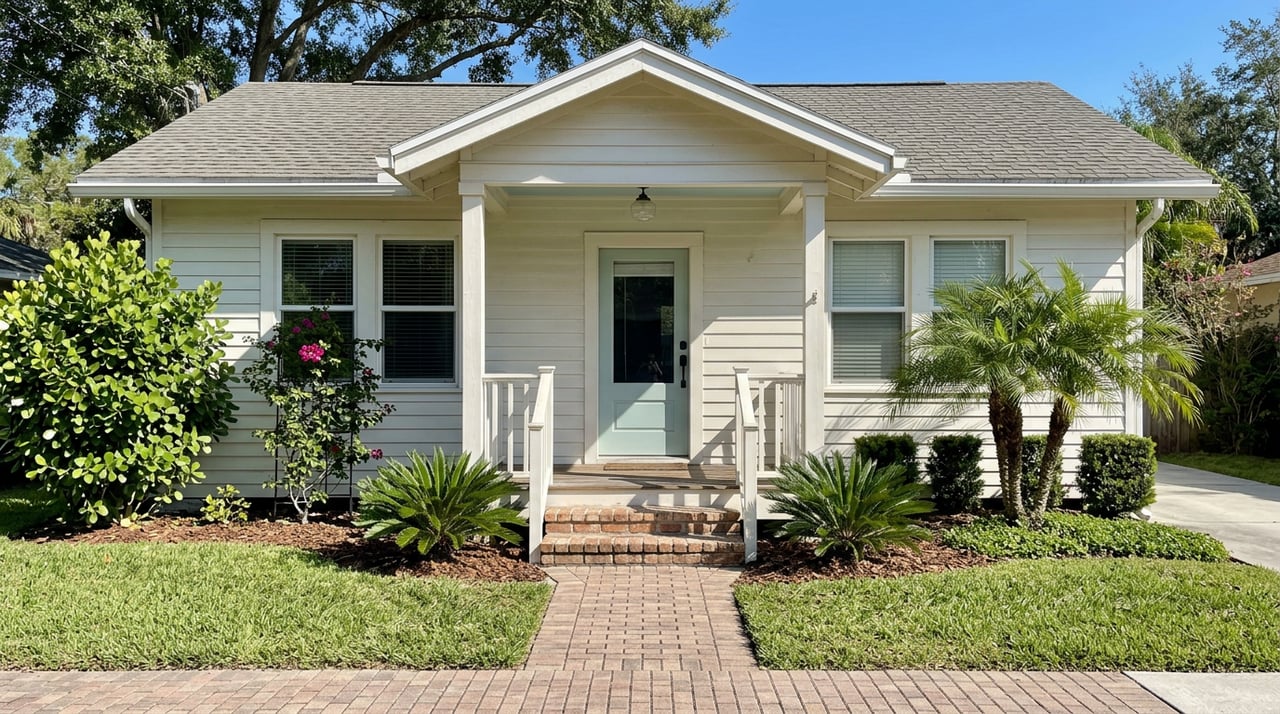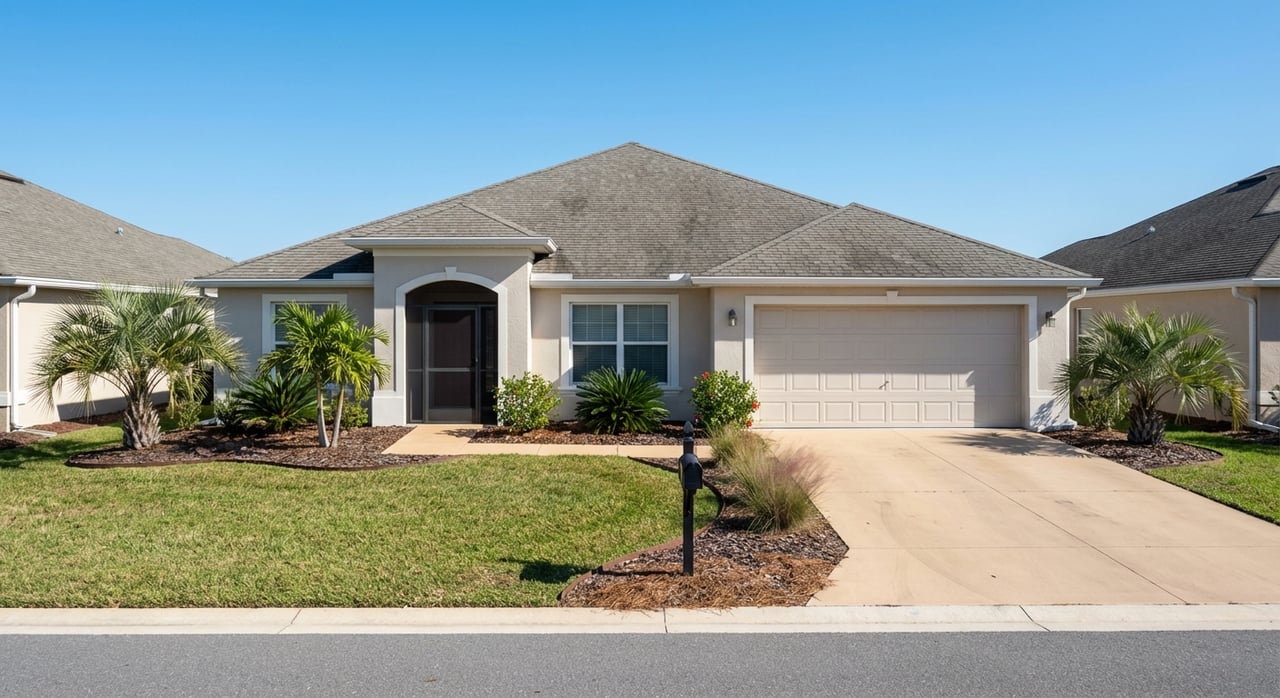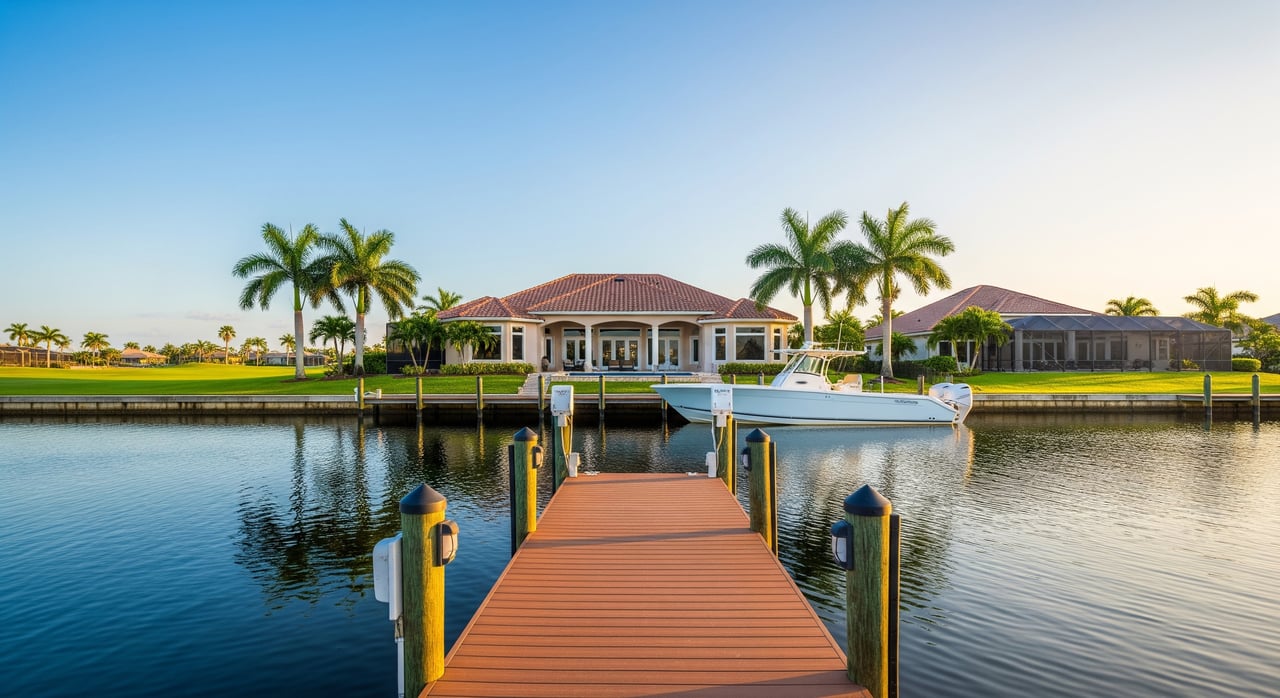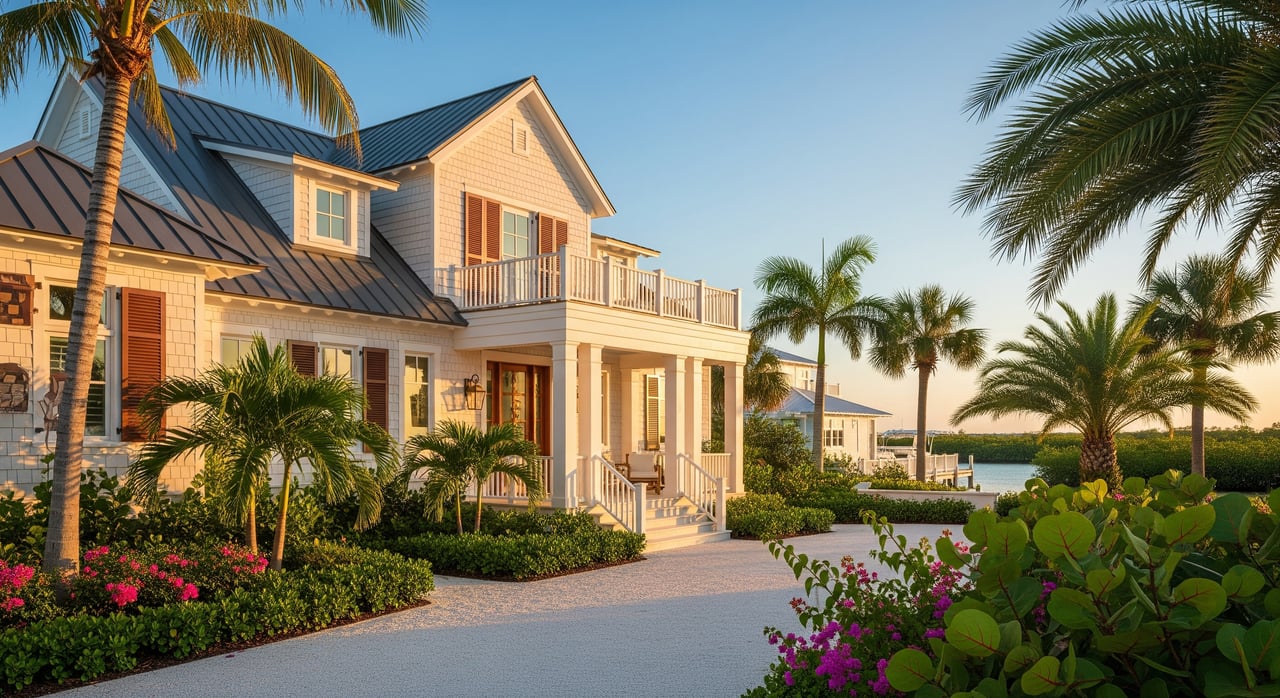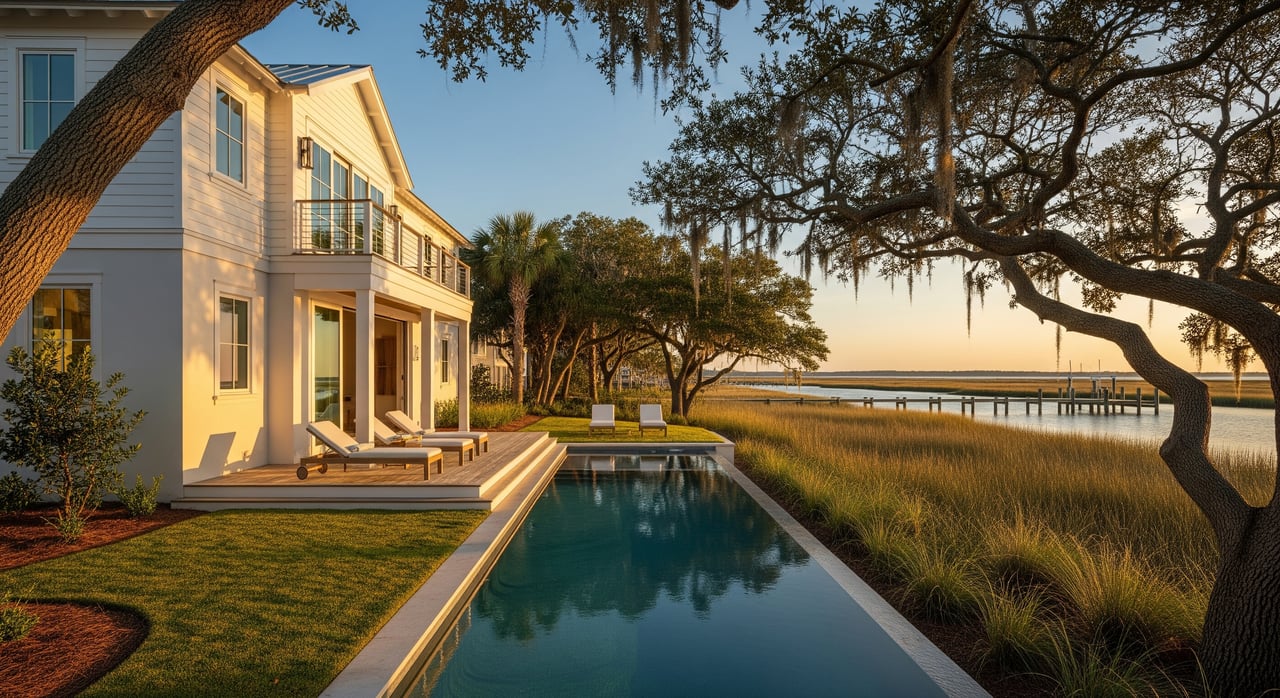
Dreaming of a Gulf Coast getaway you can call your own? If Englewood is on your list, you’re already looking in the right direction for relaxed beaches, boating, and a welcoming coastal lifestyle. Buying a second home here is exciting, but it also comes with choices about property type, insurance, flood zones, and carrying costs. This guide walks you through what to expect so you can buy with clarity and enjoy your home from day one. Let’s dive in.
Englewood at a glance
Englewood is a classic Southwest Florida beach town known for beautiful stretches like Englewood Beach on Manasota Key, fishing and boating access, and a laid-back pace. Many owners use their homes seasonally in winter months, then visit in shorter bursts off-season. That seasonal rhythm shapes listing activity, rental demand, and even restaurant hours. You will feel the market tighten in fall and winter, when snowbirds begin returning.
What adds to the appeal for second-home owners is convenience. You can reach regional airports in Sarasota-Bradenton and Fort Myers, and you will find medical care, groceries, and coastal recreation within an easy drive. The mix of beach days and simple everyday living is why so many buyers choose Englewood for part-time use.
Confirm location and rules
Englewood spans two counties, Sarasota and Charlotte. Before you rely on any county tax details or short-term rental rules, confirm which county your specific address is in. County lines affect property taxes, permitting, and rental registrations. If you plan to rent your home seasonally, you will also want to check local transient rental tax requirements for the correct county, along with your city or community rules.
Choose your property type
Condominiums
Condo living is popular for second-home buyers who want lower day-to-day upkeep. Many buildings include pools, exterior maintenance, and on-site management. The tradeoff is association fees, possible special assessments, and rules about renovations or leasing. Review budgets, reserve studies, insurance coverage and deductibles, and any litigation history. Florida’s Condominium Act (Chapter 718) outlines unit owner rights and required disclosures on resales.
Villas and townhomes
Villas and townhomes offer a middle ground. You get more privacy than a condo, yet an association still handles some exterior work. Read the HOA documents closely to understand maintenance scope and any leasing rules. Florida’s HOA framework (Chapter 720) governs disclosures and owner rights. Look through recent meeting minutes and budgets to spot upcoming projects.
Single-family homes
Single-family homes provide privacy and more control, especially if you want a backyard, dock, or space for guests. You also take on full responsibility for lawn care, pool service, and exterior upkeep. On the coast, insurance and flood considerations can be higher for some locations. If you are buying on or near the water, factor in wind and flood coverage and ask about hurricane mitigation features.
Budget the true carrying costs
Create a 12-month budget that reflects Englewood’s coastal setting and your seasonal use. Key line items include:
- Mortgage payments. Second-home loans often require more equity and slightly higher rates than primary homes.
- Property taxes. Florida has no state income tax, but property taxes apply. The homestead exemption and related assessment cap are not available on second homes.
- Homeowners insurance. Coastal policies can be higher than inland. Ask about windstorm coverage and whether a wind mitigation inspection could lower premiums.
- Flood insurance. Required if the home is in a FEMA Special Flood Hazard Area and the mortgage is federally backed. Even outside mapped flood zones, coverage is strongly recommended near the coast.
- HOA or condo fees. These vary widely based on amenities and building type. Review fee history and any special assessments.
- Utilities and services. Water, electric, trash, and internet are ongoing. AC usage and humidity control matter in off-season months.
- Maintenance and landscaping. Budget for lawn, pool, pest, HVAC service, and routine repairs. Single-family homes generally cost more to maintain than condos.
- Property management or caretaker services. If you are out of state, consider local oversight. If you plan short-term rentals, management fees often run a significant portion of rental revenue.
- Reserve for storms and repairs. Set aside funds for hurricane prep, shutter installation, debris removal, and emergency fixes.
Expect HOA or condo fees to range from the low hundreds to over a thousand dollars per month, depending on the community and amenities. Combined homeowner, wind, and flood insurance can run several thousand dollars per year for coastal properties, based on location and building features. Verify exact numbers for your specific address with current quotes and association documents.
Finance your second home with confidence
Lenders evaluate second-home loans differently from primary residences. Conventional financing often expects 10 to 20 percent down, along with tighter debt-to-income thresholds. Rates can be slightly higher. Get pre-approved with a lender experienced in Florida coastal second homes so your terms match your intended use and property type.
If you plan to rent your property, ask your lender how that affects loan classification. Investment property financing carries a different structure than a second-home mortgage and may require more down payment.
Insurance and coastal risk
Insurance is a core part of owning near the Gulf. Start by identifying the property’s flood zone designation and elevation. If you are in a Special Flood Hazard Area, flood insurance will usually be required by your lender. Even if it is not required, many coastal buyers choose to carry a policy for peace of mind.
For wind and hurricane coverage, premiums depend on roof age and attachment, window and door protection, and distance from the coast. Features like impact-rated windows, shutters, and roof straps can reduce costs. Consider a wind mitigation inspection to document improvements and qualify for discounts.
Condo buyers should review the master policy to understand which portions of the unit are covered and what deductibles apply. Ask who pays deductibles if there is a claim and what interior finishes are considered the owner’s responsibility.
Short-term rentals and taxes
Many Englewood owners rent for part of the year to offset expenses. Before you count on that income, confirm three things:
- Your county and local rules. Sarasota and Charlotte counties have separate transient rental tax requirements. Registration, collection, and remittance may apply for short stays.
- Your association’s leasing rules. Some communities limit lease frequency or require minimum lease terms or waiting periods after purchase.
- Your budget net of fees. If you hire a property manager, include management, cleaning, and maintenance fees, plus vacancy, in your projections.
At the federal level, you must report rental income and can typically deduct ordinary operating expenses. Work with a tax professional to align your plan with current rules.
Plan for seasonal use
If you will not be here year-round, set up systems that protect the home and simplify life:
- Smart home controls. Thermostats, water shutoff, and security systems help you manage from afar.
- Humidity control. Dehumidifiers and scheduled AC cycles help prevent moisture issues.
- Vendor lineup. Arrange lawn, pool, pest, and handyman services before you leave.
- Storm plan. Know your shutter or impact window routine, who secures outdoor furniture, and who checks the home after a storm.
- Visit in both seasons. Experience Englewood during peak winter months and off-season summer to understand traffic, beach access, and neighborhood rhythms.
Due diligence checklist
Use this short list to keep your purchase process organized:
- Confirm the county for your exact address, then review county-specific taxes, permitting, and rental requirements.
- Verify flood zone, elevation, and needed insurance. Obtain quotes for homeowner, wind, and flood coverage early.
- If buying in an association, review recent budgets, reserve studies, insurance certificates, board minutes, and any special assessment history.
- Order a home inspection with coastal experience. Pay special attention to roof condition, HVAC, windows, and any signs of salt-air corrosion.
- Get pre-approved with a lender familiar with second-home financing in Florida.
- Build a full 12-month budget. Include mortgage, taxes, insurance, HOA fees, utilities, maintenance, management, and a storm reserve.
- If renting, model gross and net income and confirm all registration and tax obligations.
- Work with a local agent who knows Englewood’s neighborhoods, seasonal patterns, and association rules.
How Erin helps you buy smarter
You deserve local guidance that is clear, practical, and tailored to how you plan to use your home. As a lifelong Englewood resident and a board-certified Broker Associate, Erin pairs neighborhood-level expertise with the marketing and support of a respected regional brokerage. Whether you are comparing beach condos to mainland villas or weighing flood and wind coverage on a single-family home, you get advice rooted in real experience, not guesswork.
Erin helps you:
- Identify the right community and property type based on your seasonal plans.
- Understand HOA or condo rules and budgets before you commit.
- Coordinate insurance quotes and inspections early in the process.
- Model true carrying costs so there are no surprises post-closing.
- Build a local team for property care, rentals, and storm readiness.
Ready to explore Englewood second-home options with a trusted local advisor? Let’s start a conversation that makes your decision simple and confident. Connect with Erin Halstead.
FAQs
What makes Englewood a good second-home market compared with other Gulf Coast towns?
- Englewood offers relaxed beaches, strong boating and fishing access, and convenient proximity to regional airports, with a seasonal rhythm that suits snowbirds and part-time residents.
How do HOA or condo rules affect my ability to rent a second home in Englewood?
- Association documents set leasing terms, frequency, and approvals, so review bylaws, minutes, budgets, and rental policies carefully before you buy.
What down payment should I expect for a Florida second home?
- Conventional second-home financing commonly expects 10 to 20 percent down, with slightly tighter debt-to-income thresholds and rates compared to primary residences.
How much will insurance and flood coverage add to my costs near the coast?
- Costs vary by location and building features, but coastal owners often budget several thousand dollars per year for combined homeowner, wind, and flood insurance; get property-specific quotes.
Do Sarasota and Charlotte counties have the same rules for short-term rentals?
- No, transient rental tax rates and registrations vary by county, so confirm the correct county for your address and follow its requirements and any local ordinances.
What should I look for in condo documents before purchasing?
- Review reserve funding, recent budgets, master insurance, special assessments, litigation status, and rental restrictions, and confirm what the master policy covers inside the unit.
How should I prepare my Englewood home for hurricane season if I live out of state?
- Line up a local property manager or caretaker, maintain storm supplies or shutters, secure outdoor items, and plan for post-storm inspections and debris removal.